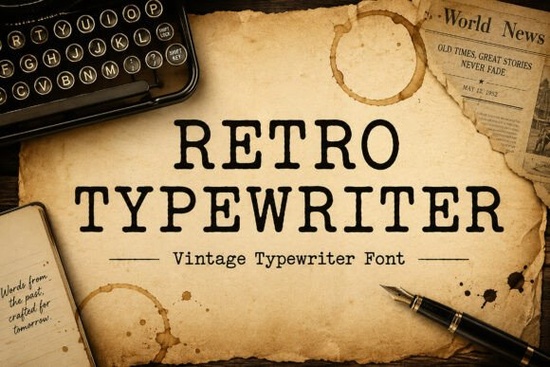
If you're searching for a typeface that captures the raw, tactile feel of old typing machines, the Retro Typewriter Font is worth a close look. This vintage-inspired serif typeface brings the distinct charm of classic typewritten documents into modern design work. Its letterforms feel clean yet slightly imperfect in all the right ways giving projects an authentic, human touch that perfectly polished fonts sometimes lack.
What makes this typewriter font different from other vintage typefaces?
Many retro fonts try to look old, but few manage to feel genuinely lived-in. The Retro Typewriter Font achieves this through thoughtful details: uneven ink density, subtle character variations, and proportions that mirror actual mechanical typewriters. It doesn't try to hide its imperfections instead, it leans into them, creating warmth and personality that's hard to find in more rigid, geometric serif designs.
For designers tired of overly sterile typography, this font offers a welcome dose of authenticity. It pairs especially well with rough textures, kraft paper backgrounds, and muted color palettes the kind of materials that reinforce a handcrafted, analog look.
Where can you actually use a typewriter-inspired serif font?
This isn't a niche, one-trick font. Its versatility might surprise you. Here are some real-world applications where it genuinely shines:
- Vintage posters and editorial layouts – Big headlines in this font immediately set a nostalgic tone. It works for everything from music festival posters to literary magazine covers.
- Book covers and journals – Mystery novels, historical fiction, poetry collections, and writer-themed diaries all benefit from the typewriter aesthetic. It signals "this is a story worth reading."
- Branding for small businesses – Coffee shops, artisan bakeries, vintage stores, and handmade goods brands can use this font to communicate craftsmanship and tradition. It adds a layer of story to any brand identity.
- Packaging design – Rustic product labels, craft beer cans, and organic food packaging look more grounded and honest with typewriter-style typography.
- Print-on-demand merchandise – T-shirts, mugs, pillows, and tote bags with quotes, writer-themed slogans, or retro graphics sell better when the typography feels authentic. This font delivers that.
- Social media graphics – Even digital spaces can borrow analog warmth. Use it for quote cards, announcements, or themed content series.
- Newsletter headers and blog imagery – If you write about literature, history, craftsmanship, or design, this typeface reinforces your message before anyone reads a word.
How does it compare to other serif fonts in the Creative Fabrica library?
The Retro Typewriter Font sits in a sweet spot between decorative display fonts and more traditional text serifs. It's more readable than highly ornamental scripts, yet far more characterful than straightforward book faces.
If you're exploring similar options, you might also appreciate how Silkydusk brings a softer, more elegant serif approach to editorial projects. Meanwhile, Desevon offers a bolder, more contemporary serif style for when you need stronger visual weight. And if you're after something with a refined, structured feel, Montage brings a clean, architectural quality to layouts. Each of these serif typefaces has its own personality, but the Retro Typewriter Font stands apart for projects that demand an unfiltered, nostalgic voice.
For those building a complete vintage design toolkit, pairing this font with a roughened texture overlay and a muted duotone color scheme can produce results that feel like they were lifted from a 1950s newspaper archive. Other retro-inspired serif fonts might lean more decorative, but this one prioritizes readability and character in equal measure.
A few practical tips for working with typewriter-style fonts
Getting the best results from the Retro Typewriter Font isn't complicated, but a few small decisions make a big difference:
- Mind your spacing. Typewriter fonts often have wider, more open letter spacing. Don't tighten it too much in your design software let the characters breathe the way they would on a real typewriter page.
- Keep backgrounds simple. This font works hardest against textured paper, off-white backgrounds, or subtle grunge layers. Busy backgrounds compete with its charm.
- Use it for short to medium text. While more readable than many display fonts, it's still best for headlines, pull quotes, and short paragraphs. For long body copy, pair it with a straightforward sans-serif.
- Embrace the imperfections. Don't try to align every character perfectly or correct every slight offset. Those small irregularities are what make this style work.
If you often work on branding or editorial projects that call for a handcrafted feel, this versatile serif typeface can become a dependable tool in your library. It's the kind of font you reach for when you want a design to feel less like a polished advertisement and more like a letter from the past.
Your next step
Before you add the Retro Typewriter Font to your collection, try this quick test: Find a short quote or phrase, set it in this font against a simple textured background, and print it out. If it makes you want to frame it, you've found the right typeface for your project. For anyone selling print-on-demand products, this kind of authentic typography can be the difference between a product that blends in and one that tells a story worth buying.
Get Started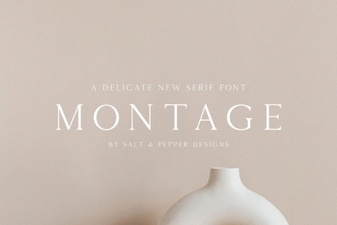 Montage Font: Creative Typography Designs
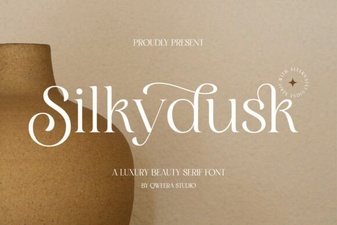 Craft Your Designs with Silkydusk Font
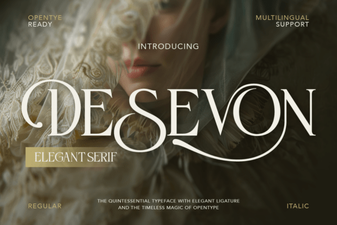 Desevon Font: a Modern Design Tool for Creative Projects
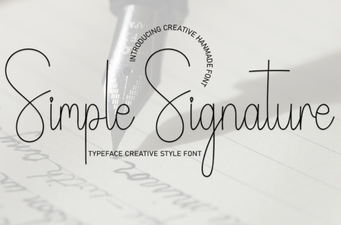 Craft with Simple Signature Fonts for Unique Projects
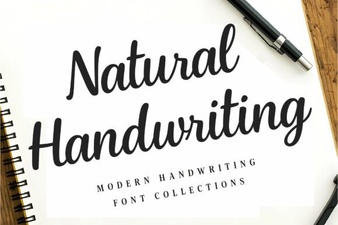 Natural Handwriting Fonts for Authentic Design
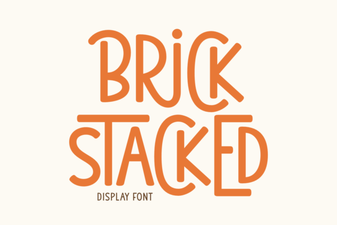 Stacked Brick Fonts for Bold Graphic Design