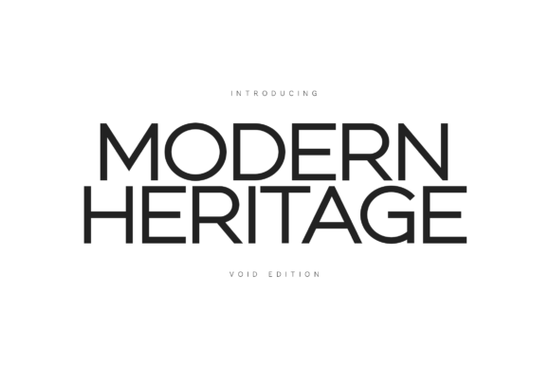
If you work with minimalist branding, editorial layouts, or any project where negative space does the heavy lifting, you already know how hard it is to find a font that feels both timeless and sharp. The Modern Heritage Font (Void Edition) aims to solve exactly that: it takes the balanced, rational proportions of classic Swiss typography and gives them a crisp, contemporary edge. The result is a high-contrast sans-serif that feels open, airy, and surprisingly modern even in dense text blocks.
What makes this “Void Edition” different from a standard sans-serif?
The name comes from the font’s deliberate use of negative space. Unlike many minimal sans-serifs that compress letterforms to save room, Modern Heritage Font works with a generous x-height and ultra-clean, monolinear strokes. This creates an effect of “breathability” across the page. Each character feels like it has room to exist without crowding its neighbor, which is especially useful when you need a clean, professional presence without visual clutter.
It’s also worth noting that this isn’t a revival or a vintage reproduction. While it borrows the structural logic of mid-century Swiss design, the Void Edition adds sharper angles, tighter curves, and a more pronounced contrast between thick and thin strokes. That mix gives it a futuristic feel without losing the grounded, rational look that architects and product designers tend to prefer.
When should I use Modern Heritage Font in my projects?
This font works best in situations where you want a polished, professional tone but don’t want to feel overly corporate or cold. Here are some common scenarios where it really shines:
- Architecture and interior design portfolios – The clean lines and open spacing mirror the visual language of modern architectural photography and floor plans.
- High-end fashion and beauty branding – The high contrast and precise letterforms feel luxurious without being decorative.
- Tech and SaaS interfaces – The monolinear strokes and generous spacing make it readable at small sizes, especially for headlines and navigation labels.
- Print-on-demand apparel and merchandise – Simple, bold lettering works well on t-shirts, mugs, and posters where readability from a distance matters.
- Editorial and magazine layouts – The font’s ability to hold its own in both headlines and pull quotes makes it versatile for long-form content.
If you’ve used other clean sans-serif fonts like TRT Burn Font or Brisca Font, you’ll notice that Modern Heritage Font leans harder into negative space and contrast, giving it a more distinct personality at larger sizes.
How does it compare to other sans-serif fonts for branding?
Most minimal sans-serif fonts fall into one of two camps: they’re either geometric and neutral (like Helvetica or Futura) or they’re humanist and slightly warmer (like Frutiger or Proxima Nova). Modern Heritage Font sits somewhere between them, but with a sharper, more architectural feel.
Compared to a font like Mansory Font, which has a more structured and compact silhouette, the Void Edition feels lighter and more open. It’s a good choice when you want your text to feel like part of the layout’s negative space rather than sitting on top of it.
For designers who work with layered typography where text overlaps images, gradients, or other elements this openness makes a real difference. The letters don’t collapse into each other, and the high contrast helps them stay legible against busy backgrounds.
Can I use it for body text or is it only for headlines?
This font works best for medium to large text sizes think headings, subheadings, quotes, and short blocks of emphasis. The high contrast and monolinear strokes mean that at very small sizes (below 12pt), the thinner parts of some letters can start to feel delicate. For long body copy, you might still prefer a more robust text font.
That said, many designers use it as a display font paired with a simpler sans-serif or serif for body text. It also works well in all-caps settings for logos, banners, and hero sections where you want maximum impact from minimal letterforms.
Practical tips for using Modern Heritage Font in your next project
If you’re planning to use this font in a real project, here are a few things that can help you get the most out of it:
- Use generous letter-spacing. Because the font already has a large x-height and open shapes, adding 2–5% tracking can enhance the airy feel without breaking legibility.
- Avoid heavy backgrounds. The Void Edition works best on clean, light backgrounds where the negative space can do its job. Dark or busy backgrounds may reduce the contrast effect.
- Pair it with a neutral serif. Try combining it with a classic serif like Garamond or Times New Roman for a high-end editorial look. The contrast between the rational sans and the traditional serif creates visual interest.
- Test it in black and white first. Before adding color, make sure your layout works in monochrome. The font’s strength is in its structure, not its decoration.
- Use it for one thing at a time. Because the font has strong character, using it for both headlines and body text in the same layout can feel overwhelming. Pick one role per page.
What kind of projects should avoid this font?
Modern Heritage Font isn’t ideal for every situation. Its precise, high-contrast look can feel too formal or rigid for casual, playful, or handcrafted brands. If you’re designing for a children’s product, a rustic food brand, or anything that needs a warm, approachable tone, a softer humanist sans or a handwritten font might serve you better.
Similarly, if your project requires heavy multilingual support with diacritics or non-Latin scripts, check the character set first. The Void Edition covers standard Latin characters well, but extended language support may be limited.
If you’re building a brand identity and want a font that communicates precision, clarity, and a forward-looking aesthetic, Modern Heritage Font is worth trying. It walks a fine line between classic structure and modern flair, and it does so without trying too hard.
Ready to test it in your layout? Start by using it in a single headline or logo treatment, keep the background clean, and let the negative space do the work. That’s where this font really earns its place in your toolkit.
Modern Heritage Font is available now on Creative Fabrica along with related clean sans-serif styles like the full Modern Heritage collection, TRT Burn Font, Brisca Font, and Mansory Font if you want to compare options.
Learn More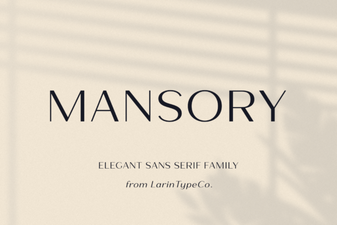 Mansory Fonts for Modern Creative Projects
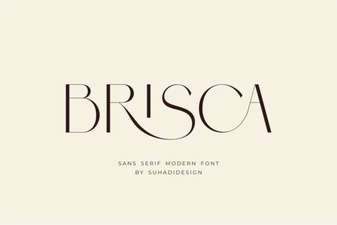 Brisca Font: Creative Typography Project Ideas
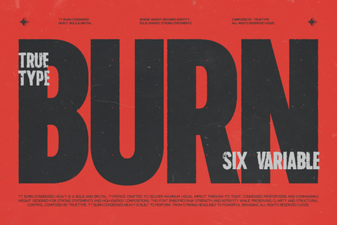 Trt Burn Font: Creative Design & Usability Guide
 Retro Fonts for Creative Typewriter Projects
 Craft with Simple Signature Fonts for Unique Projects
 Natural Handwriting Fonts for Authentic Design