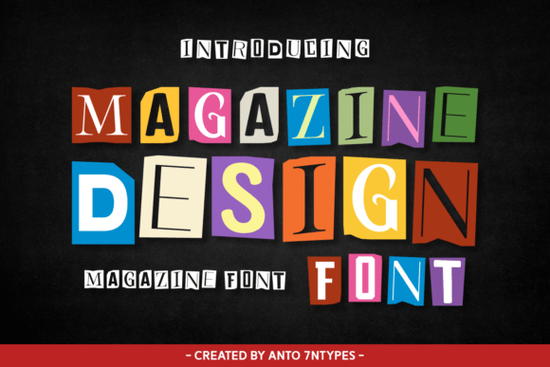
If you love design that feels both playful and nostalgic, you’ll want to meet Magazine Design Font. It’s a display typeface inspired by vintage ransom letters and newspaper cutouts, with a bold, handcrafted look that instantly brings a retro charm to any project. Whether you’re laying out a book cover, designing a T‑shirt, or spicing up your Instagram feed, this font adds personality without trying too hard.
What exactly is a “ransom letter” font style?
Ransom letter typography mimics the cut‑and‑paste aesthetic of old kidnap notes made from mixed newspaper headlines. It’s deliberately uneven – letters may vary in size, weight, or orientation – giving it a raw, handmade feel. Magazine Design Font nails this look: each character feels like it was snipped from a different magazine, yet the overall typeface is cohesive enough to read smoothly. It’s a style that screams “fun” and “vintage” without yelling.
How does Magazine Design Font capture that look?
Every letterform in this font has subtle irregularities – slight curves, varied stroke widths, and a worn texture. The uppercase letters are especially bold, while the lowercase stays readable. This balance makes it work for both headlines and short body text. It’s not trying to be perfect; it’s trying to be memorable.
How can I use a bold retro font in modern projects?
The beauty of Magazine Design Font is its versatility. Here are real ways designers and small businesses are already using it:
- Book covers – especially for mystery, comedy, or indie magazines.
- Social media graphics – it pops on Instagram quotes and story titles.
- Packaging – think artisan coffee, craft beer, or vintage‑themed products.
- Print‑on‑demand apparel – T‑shirts, hoodies, and tote bags with bold slogans.
- Posters and flyers – for events that want a slightly rebellious, fun vibe.
- Blog headers and website badges – it immediately sets a nostalgic tone.
Because the font is heavy and attention‑grabbing, it works best as a display element. Pair it with clean sans‑serif body text for a contrast that feels intentional.
Is this font good for branding and marketing?
Absolutely, but in the right context. If your brand wants to feel cheerfully obsolete – think 70s diners, indie record labels, or quirky stationery shops – this font is a natural fit. Its bold charisma makes packaging and Instagram content stand out in a sea of minimalism. For example, a coffee brand using Magazine Design Font on its bags could evoke a handmade, small‑batch feel. The key is using it sparingly: one word or a short phrase, not walls of text.
What other creative fonts pair well with Magazine Design?
When combining fonts, you want to keep the same playful or retro spirit. Here are some excellent companions from Creative Fabrica (all display fonts that complement without competing):
- Have a Nice Day Honey – a sweet, scripty display font that balances the boldness of Magazine Design.
- Playful Children – a bouncy, hand‑drawn style perfect for kid‑friendly projects or light‑hearted headlines.
- Brick Stacked – a blocky, urban font that adds structure when you need a more industrial feel.
- Varsity Narrow – for a sporty, vintage‑school vibe that pairs nicely with ransom letter chaos.
- Remember Things – a whimsical, slightly messy script that reinforces the handcrafted look.
Mix these in headers, subheadings, or accent words to create rich, layered designs.
Where can I get Magazine Design Font for my designs?
You can find Magazine Design Font on Creative Fabrica, a marketplace with thousands of high‑quality fonts and graphics for creators. The best part? You can download it instantly and use it in commercial projects (check the license details on the product page). To see the full character set and try it out, click the link below:
Magazine Design Font on Creative Fabrica
Quick checklist before you start using this font
- Test readability – at small sizes, the uneven shapes can get messy. Use it for headlines only.
- Pair with a neutral background – a simple white or cream backdrop lets the font’s texture shine.
- Limit your palette – one or two words in this font is enough. Combine with cleaner type for body text.
- Check spacing – because letters are irregular, you may need to adjust kerning in your design software.
- Have fun with it – this font is meant to break rules a little. Experiment with rotations, colours, or collage elements.
Next time you need a dose of cheerful nostalgia in your work, give Magazine Design Font a try. It’s one of those typefaces that instantly changes the mood of a project – for the better.
Try It Free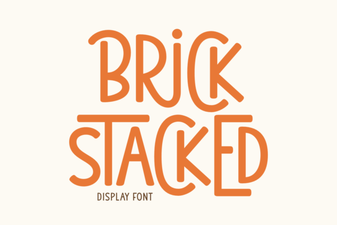 Stacked Brick Fonts for Bold Graphic Design
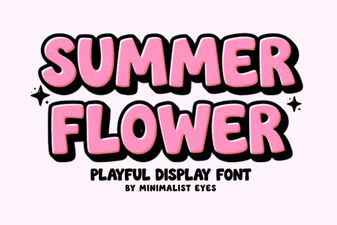 Floral Summer Fonts for Beautiful Design Projects
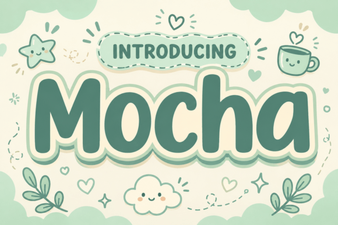 Discover Motcha: a Creative Font for Bold Designs
 Hello Angela Font for Creative Typography Projects
 Bloomsy Font: a Creative Touch for Your Designs
 Groovy Melt Font: Creative Design Ideas & Download